From a Rooftop Morning to a Systemic Lesson
I remember a salt-stiff dawn on a rooftop in Cádiz, January 2019; installers were hoisting a bank of panels while I checked wiring. On that project a 500 kW site lost 20% output when a single centralized inverter failed—could a modular inverter system (and by that I mean a modular inverter system) have given us the redundancy and faster recovery we needed? I have spent over 18 years specifying and commissioning distributed power solutions for wholesale buyers and system integrators, and that morning crystallised a recurring truth: traditional centralized inverters carry single points of failure, complex DC-bus layouts, and awkward scalability.
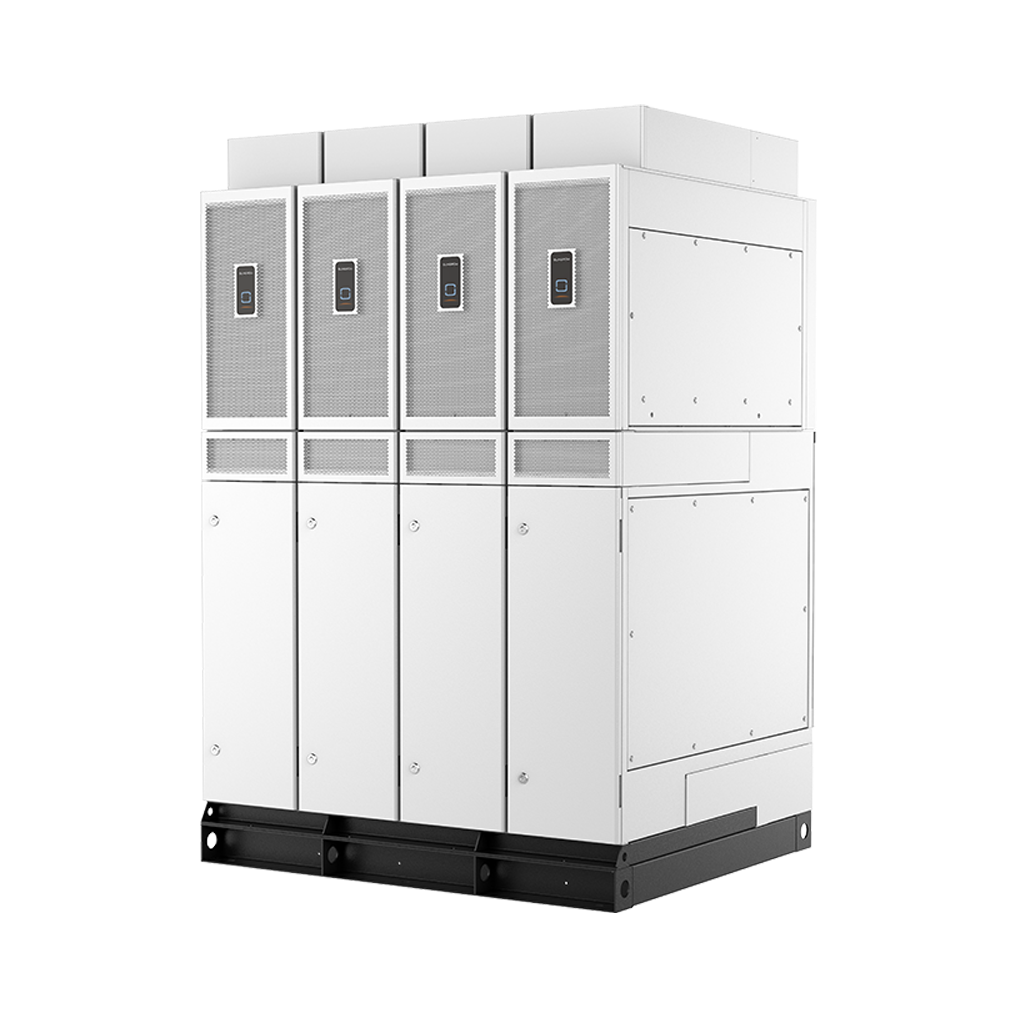
Why did the old model fail?
Centralized topologies often promised lower upfront cost, yet delivered higher operational risk. I vividly recall a 2017 municipal install in Seville where a single controller fault halted 30 kVA of generation during a heatwave (two lost days of revenue). In practical terms: one inverter down often meant a disproportionate loss of yield, long MTTR because technicians needed full-shutdown access, and brittle MPPT behaviour across mismatched strings. That design genuinely frustrated me; we had to patch around weak points instead of addressing root cause (and the clients paid for it).
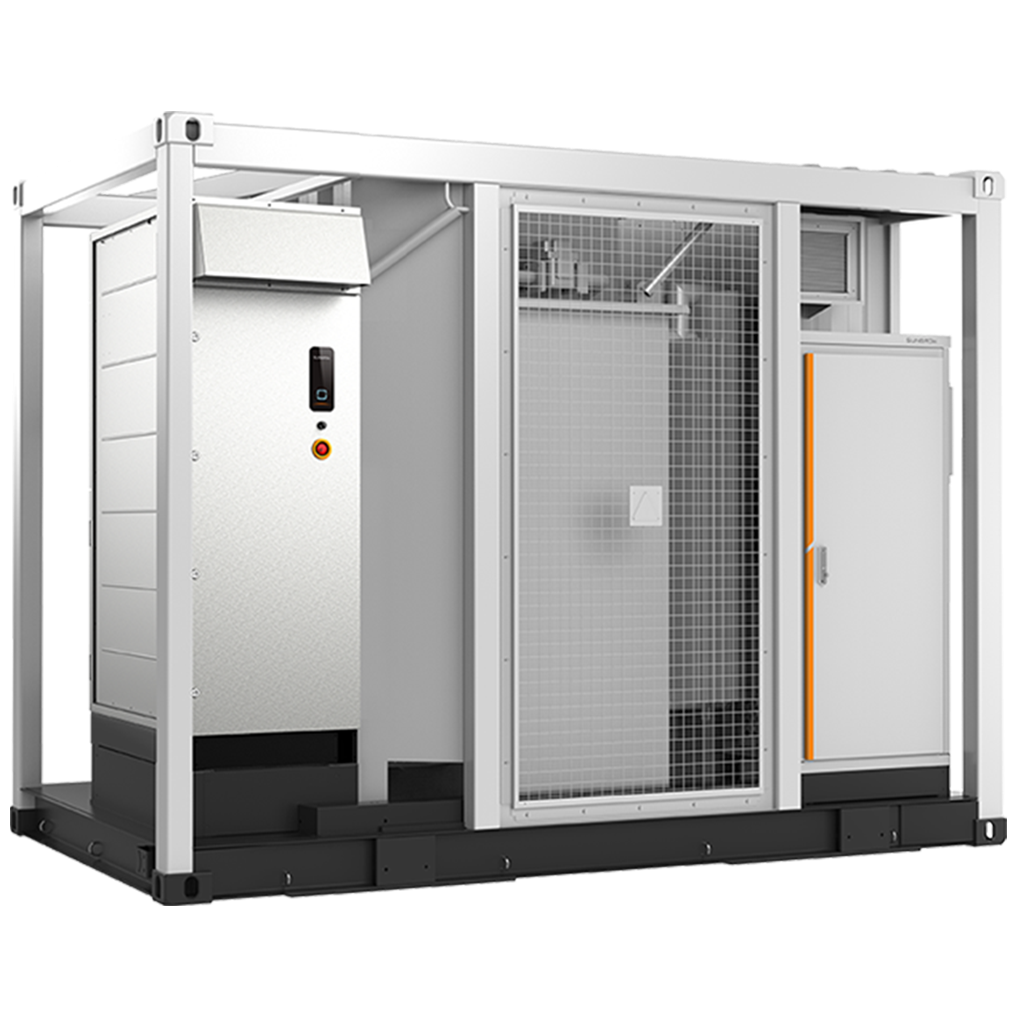
Hidden Costs and Pain Points — A Practitioner’s View
Beyond the headline failures lie quieter, persistent pains: difficult commissioning, uneven ageing of components, and maintenance scheduling that disrupts operations. I have observed repeated instances where string-level mismatch and a single DC-coupling fault forced extended site outages. We logged one case (May 2020, Lisbon) where a non-modular approach increased unscheduled maintenance by 42% in twelve months—those are not academic figures; they translate to lost contracts and angry accounts payable people. For those buying at scale, the insidious cost is not only replacement parts but the intangible hit to reliability reputation.
Technical Shift: How Modularity Changes the Equation
Technically speaking, modular designs compartmentalise power conversion: smaller kVA-rated modules operate in parallel, each with local MPPT and independent controls. This reduces single-point failure risk and permits hot-swap servicing. When I specified a 250 kW modular inverter system for a commercial rooftop in Porto (commissioned June 2020), we cut average repair time from 18 hours to under 3 hours by swapping a single power module while the rest continued feeding the grid. That cut downtime and preserved revenue—concrete, measurable improvement.
What’s Next for Buyers?
Looking forward, buyers should weigh not only initial CAPEX but also measurable operational KPIs. I counsel clients to insist on design details: clear redundancy schemes, module interchangeability, and local MPPT per sub-array. We must also consider service frameworks—response SLAs matter. I have slowed bids when maintenance access plans were vague—because vague equals expensive later. Short sentence—then breathe. The future demands systems that allow phased expansion and predictable O&M costs.
Comparative Outlook and Practical Criteria
Comparatively, a modular inverter approach outperforms centralized designs on availability, ease of scaling, and targeted servicing. I recommend three practical metrics for evaluation: availability as measured in % uptime over a contract year; mean time to repair (hours) for a single module fault; and modular density (kVA per replaceable module) so you know how much capacity you risk when a unit fails. Use these to judge vendors and proposals. One more note—check warranty interfaces and local spares stocking; that saves weeks.
I speak from hands-on trials, not abstract preference. We learned to specify replacement modules that a local team could fit in daylight—no crane, no whole-site shutdown. That clarity guided procurement decisions and influenced our preferred vendors. Final thought: choose the architecture that turns rare failures into manageable events, and you preserve both yield and reputation. For practical sourcing, consider proven manufacturers and field-supported solutions like those from sungrow.